

Blog
Understanding Memory Foam Mattress Technology: How It Works

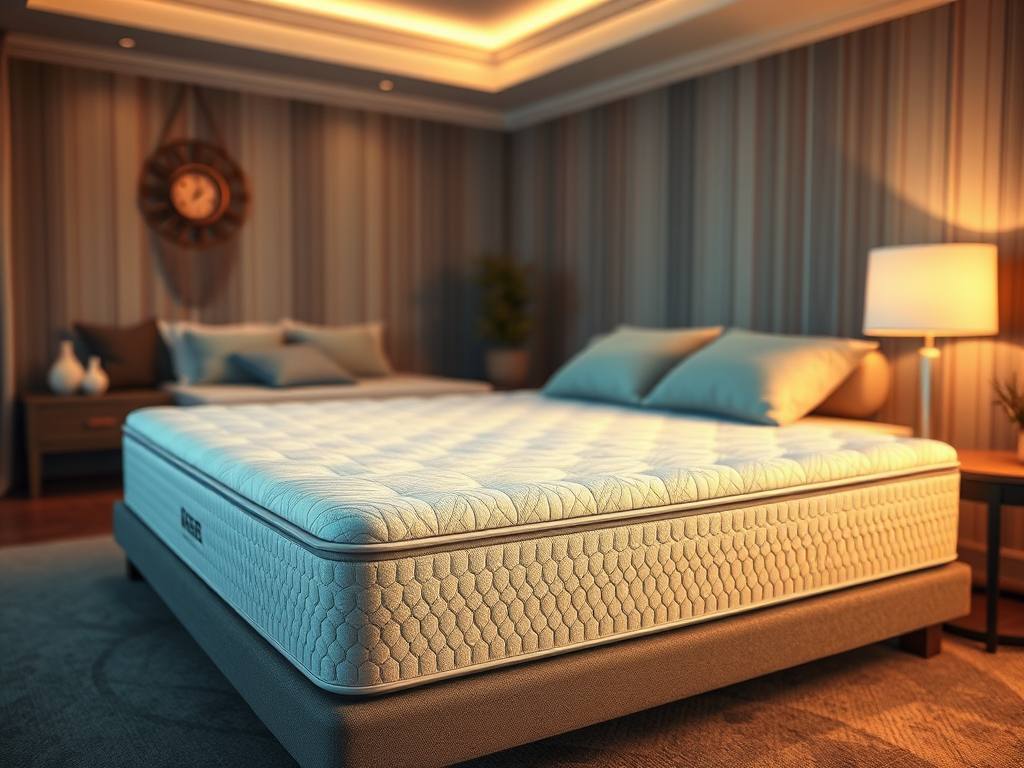
Introduction
Memory foam mattresses have revolutionized the sleep industry with their ability to adapt to the human body. Originally developed by NASA, this material is now widely used for its pressure-relieving and supportive properties.
What is Memory Foam?
Memory foam is made from viscoelastic polyurethane, a material that reacts to heat and pressure.
Key Characteristics:
- High density
- Slow response to pressure
- Temperature sensitivity
How Memory Foam Works
When you lie down:
- Body heat softens the foam
- Foam molds to your shape
- Weight is evenly distributed
This reduces pressure points and improves spinal alignment.
Technical Benefits
✔ Pressure Redistribution
Memory foam spreads body weight evenly, reducing stress on joints.
✔ Motion Isolation
Absorbs movement, ideal for couples.
✔ Spinal Alignment
Maintains natural posture during sleep.
Density & Firmness
| Density | Feel | Durability |
|---|---|---|
| Low | Soft | Low |
| Medium | Balanced | Medium |
| High | Firm | High |
Higher density = better durability and support.
Cooling Technologies
Modern memory foam includes:
- Gel infusion
- Open-cell structure
- Airflow channels
These reduce heat retention.
Conclusion
Memory foam mattresses provide advanced support through smart material design. Their ability to adapt and support makes them ideal for modern sleep needs.

